Healthcare businesses handle sensitive patient information every day. From medical billing operations to appointment scheduling and insurance communication, organizations must protect data while maintaining efficient customer support.
As healthcare services become increasingly digital, businesses are relying more on outsourcing providers for communication management, support operations, billing assistance, and customer engagement. However, healthcare outsourcing requires more than just trained agents. It requires secure workflows, compliance awareness, and professional communication systems.
This is why HIPAA-aware support operations are essential for healthcare businesses operating in modern international markets.
Understanding HIPAA Compliance
HIPAA, also known as the Health Insurance Portability and Accountability Act, establishes standards for protecting sensitive patient information. Healthcare organizations and their support partners must maintain secure processes when handling medical data.
Healthcare businesses must ensure that support teams understand:
- Data privacy standards
- Secure communication procedures
- Confidential information handling
- Access control processes
- Protected health information management
Failure to maintain proper standards can affect trust, operations, and business reputation.
Why Healthcare Businesses Outsource Support Operations
Healthcare companies often outsource:
- Medical billing support
- Appointment scheduling
- Customer service
- Insurance communication
- Claims assistance
- Administrative support
- Patient coordination
Outsourcing helps healthcare organizations improve operational efficiency while reducing internal workload.
However, healthcare support requires specialized communication standards and secure workflows.
The Importance of Secure Communication Systems
Modern healthcare support operations depend heavily on technology. Professional outsourcing companies use:
- Secure CRM systems
- Monitored communication environments
- Encrypted workflows
- Quality assurance systems
- Access-controlled reporting tools
These systems help maintain professional support environments while improving communication efficiency.
Trained Agents Improve Customer Experience
Healthcare communication requires professionalism, patience, empathy, and accuracy. Trained support teams help healthcare businesses:
- Improve response times
- Reduce communication errors
- Enhance patient experience
- Improve appointment coordination
- Support insurance communication
- Maintain operational efficiency
Professional communication also strengthens patient trust and business credibility.
Scalability for Healthcare Organizations
Healthcare organizations often experience fluctuating workloads depending on patient volume, campaigns, and seasonal demand.
Outsourcing providers help businesses scale support operations efficiently without the need for constant internal hiring and infrastructure expansion.
This flexibility allows healthcare businesses to maintain consistent customer support standards while adapting to operational growth.
Benefits of Outsourcing Healthcare Support
Healthcare businesses that partner with professional outsourcing providers gain several advantages:
- Reduced operational pressure
- Better customer communication
- Faster appointment management
- Improved billing coordination
- Enhanced reporting systems
- Scalable support teams
- Continuous service availability
- Better workflow efficiency
Why Healthcare Businesses Choose Global BPO
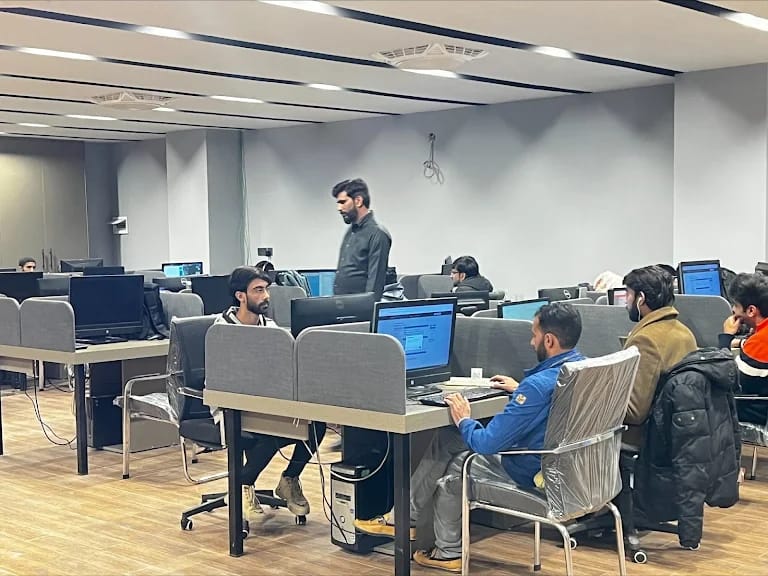
Global BPO provides professional support solutions designed for healthcare and insurance industries. The company operates using secure workflows, monitored systems, and professional communication standards.
Key advantages include:
- HIPAA-aware support teams
- Secure communication environments
- Twenty-four-hour operations
- CRM-integrated workflows
- International support capabilities
- Quality assurance monitoring
- Experienced customer support agents
By combining trained teams with secure operational processes, Global BPO helps healthcare businesses improve efficiency while maintaining professional communication standards.